
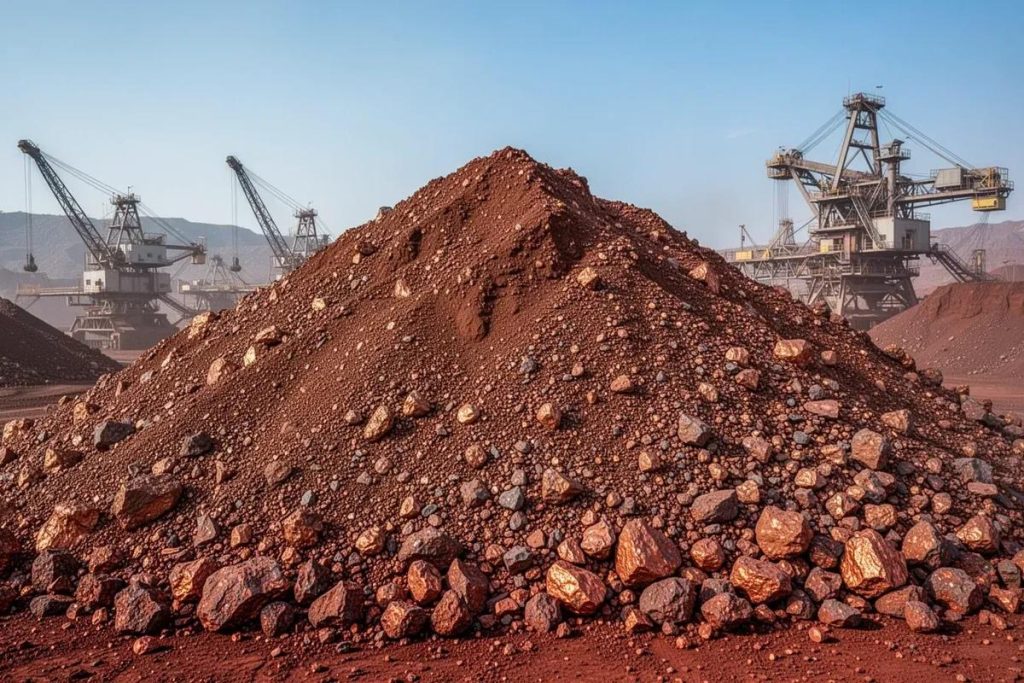
Copper Raw Materials: From Ore to Concentrate
Copper is a critical industrial metal used in electrical infrastructure, construction, transportation, manufacturing, and modern energy systems. However, before copper reaches downstream industries as refined metal, it must pass through a series of mining, mineral processing, and refining stages.
For companies involved in copper raw materials sourcing and international trade, understanding the distinction between copper ore, copper concentrate, and refined copper is essential.
This industry overview examines the copper production chain, the technical characteristics of copper concentrates, key quality parameters, and commercial considerations relevant to international buyers.
Copper Raw Materials at a Glance
- Major ore types: Copper sulfide and copper oxide ores.
- Typical concentrate grade: Approximately 20–40% copper, depending on the deposit and processing method.
- Principal concentration method: Froth flotation, particularly for copper sulfide ores.
- Main downstream processes: Smelting, converting, and refining.
- Primary commercial considerations: Copper content, impurities, moisture, sampling, and transportation conditions.
Sources: International Copper Association and International Copper Study Group. Figures are indicative and should not be interpreted as specifications for every shipment.
1. Understanding the Copper Value Chain
Copper production begins with the extraction of mineral-bearing material from mines.
The route from mined ore to refined copper generally includes several stages:
Mining → Crushing & Grinding → Concentration → Smelting → Refining → Copper Cathodes
Not all copper follows the same production route. Sulfide ores are commonly processed through flotation and smelting, while suitable oxide ores may be processed through leaching and electrowinning.
According to the U.S. Geological Survey (USGS), copper production is a multistage industrial process, and copper-containing materials can vary substantially in composition and processing requirements.
Understanding these differences is important when evaluating raw material sourcing opportunities.
2. Copper Ore: Types and Characteristics
Copper occurs naturally in several mineral forms, each requiring appropriate processing methods.
Copper Sulfide Ores
Common copper sulfide minerals include chalcopyrite, bornite, and chalcocite.
These ores are typically crushed and ground before undergoing mineral concentration, often through froth flotation.
The resulting concentrate contains a substantially higher percentage of copper than the original mined material.
Copper Oxide Ores
Copper oxide minerals may include malachite, azurite, and other oxidized copper-bearing materials.
Depending on mineralogy and operating conditions, some oxide ores can be processed using hydrometallurgical techniques such as leaching, solvent extraction, and electrowinning.
For industrial procurement, the ore type and mineral composition directly influence processing suitability and commercial value.
3. Copper Concentrate: A Key Industrial Feedstock
Copper concentrate is a processed mineral product in which the copper content has been increased through beneficiation.
According to technical information published by the International Copper Association, copper concentrates commonly contain approximately 20–40% copper, although actual grades depend on the mineral deposit and processing conditions.
Concentrates are important feedstocks for copper smelters and refineries.
Important Concentrate Characteristics
Copper content: The percentage of contained copper is a central parameter in commercial evaluation.
Mineral composition: Different copper-bearing minerals can influence downstream processing.
Impurities: Elements such as arsenic, lead, and other constituents may affect smelter acceptance and processing conditions.
Moisture: Moisture content influences shipment mass calculations, handling, and transportation safety.
Particle characteristics: Fine mineral particles require appropriate storage, handling, and transportation practices.
Buyers should evaluate these characteristics using representative sampling, laboratory analysis, and the relevant technical documentation.
4. From Concentrate to Refined Copper
After concentration, many copper sulfide materials are processed in smelters.
The principal stages may include:
Smelting: Copper-bearing material is heated and processed to produce copper-rich matte.
Converting: Copper matte is further processed to increase copper concentration and produce blister copper.
Refining: Additional processing removes impurities and produces refined copper suitable for industrial applications.
The International Copper Association identifies copper cathodes as a principal refined product, commonly reaching purity levels above 99.9%.
However, copper concentrate and refined copper cathodes are fundamentally different commercial products. Their specifications, pricing structures, logistical requirements, and buyer markets should not be treated as interchangeable.
5. Quality Control and Inspection Requirements
Quality verification plays an important role in the copper raw materials trade.
Because copper concentrates can contain varying levels of valuable metals, impurities, and moisture, accurate assessment is essential.
Key inspection and documentation considerations include:
- Sampling: Representative sampling procedures for determining material characteristics.
- Copper assay: Laboratory testing to establish copper content.
- Impurity analysis: Measurement of elements relevant to processing and commercial acceptance.
- Moisture determination: Assessment of moisture for commercial calculations and shipment planning.
- Weight verification: Reliable determination of shipment quantities.
- Documentation: Certificates of Analysis, inspection reports, and agreed product specifications.
The International Copper Study Group has published research examining how changing concentrate composition affects smelters, refineries, and regulatory requirements.
These considerations reinforce the importance of clear technical agreements between buyers and suppliers.
6. Commercial Considerations in Copper Concentrate Trading
International copper concentrate transactions involve technical and commercial variables beyond the headline copper price.
Copper Content and Payability
Commercial terms may distinguish between total contained copper and the quantity of metal for which payment is contractually recognized.
Actual payment conditions depend on the agreed contract structure.
Treatment and Refining Charges
Treatment charges and refining charges are important elements in many copper concentrate commercial arrangements.
Their application and calculation depend on market conditions and the terms negotiated between buyer and seller.
Impurity-Related Conditions
Certain impurities may influence material acceptance, additional processing requirements, or contractual adjustments.
Delivery and Logistics
Buyers and suppliers must also consider transportation routes, cargo handling, shipment schedules, insurance, delivery terms, and the requirements of the destination market.
The commercial evaluation of copper raw materials therefore requires an understanding of both mineral quality and total transaction costs.
7. International Transportation and Supply Chain Considerations
Copper concentrates are commonly transported in bulk quantities, although shipment methods vary according to volume, cargo characteristics, and contractual arrangements.
Transport planning should address:
- Cargo classification and relevant safety requirements
- Moisture limits and applicable testing procedures
- Suitable packaging or bulk cargo arrangements
- Port facilities and handling conditions
- Shipping documentation
- Inspection and quantity verification
- Delivery schedules and possible logistics disruptions
For applicable seaborne bulk cargoes, the requirements of the International Maritime Solid Bulk Cargoes (IMSBC) Code and relevant cargo schedules must be assessed.
A clear understanding of transportation requirements helps reduce operational uncertainty across international supply chains.
8. Why Copper Raw Materials Matter to Global Industry
Copper’s importance extends across major industrial sectors.
The U.S. Geological Survey identifies electrical applications as a major driver of copper consumption, including power transmission, building wiring, telecommunications, and electrical equipment.
Demand for copper-containing materials is also connected to construction, manufacturing, transportation, and energy infrastructure.
However, increasing demand for refined copper does not automatically translate into identical market conditions for every copper ore or concentrate.
Raw material availability, processing capacity, concentrate quality, trade conditions, and logistics can create different commercial outcomes across the copper value chain.
For international buyers, monitoring these factors is important when evaluating sourcing opportunities.
9. Practical Considerations for Industrial Buyers
Before entering a copper raw materials transaction, buyers should establish a clear technical and commercial framework.
Important considerations include:
- Material identification: Confirm whether the product is ore, concentrate, or another copper-bearing feedstock.
- Technical specifications: Establish copper content, impurities, moisture, and required analytical methods.
- Quality assurance: Agree on sampling, inspection, and laboratory verification procedures.
- Commercial structure: Review pricing methodology, payment terms, and applicable adjustments.
- Supplier assessment: Evaluate documentation, consistency, and the ability to meet contractual requirements.
- Logistics: Confirm delivery conditions, transportation requirements, and destination restrictions.
These measures support more transparent purchasing decisions and can help reduce avoidable commercial and operational risks.
10. The KGG Perspective
At Keysan Golden Gate Trading (KGG), we recognize the importance of technical specifications, quality considerations, and international logistics in industrial material sourcing.
Copper raw materials illustrate how commercial decisions are closely connected to product characteristics, inspection documentation, processing requirements, and transportation arrangements.
We believe that informed sourcing decisions depend on understanding both the material itself and the wider conditions of international industrial trade.
Businesses exploring copper raw materials and other industrial sourcing opportunities can contact KGG to discuss their requirements and relevant commercial considerations.
Conclusion
Copper raw materials form the foundation of a complex global production chain, extending from mining and concentration to smelting, refining, and downstream manufacturing.
The distinction between copper ore and concentrate, the importance of chemical composition, and the requirements of international transportation all influence procurement decisions.
For industrial buyers and trading companies, combining technical evaluation with reliable documentation and disciplined supply chain planning remains essential.
References
This article is provided for general industrial and commercial information. Material characteristics and transaction requirements must be verified for each specific product and shipment.